Water Features That Survive Flood Cycles
Pond installation in Paducah for agricultural water supply, livestock watering, and recreational use
The clay soil common in the Kentucky Lake region holds water effectively for pond construction, but flood cycles from the Tennessee River system require engineered spillways that prevent washouts during high-water events. Black Line Excavation constructs ponds with clay core design and overflow structures calculated for regional flood patterns, which matters when spring storms bring rapid runoff that tests every pond's capacity. Recreational ponds and agricultural water supplies both need proper engineering—the difference between a pond that lasts decades and one that fails during the first major flood comes down to spillway design and core construction.
Pond installation involves site selection based on watershed size and soil type, excavation that creates proper depth profiles for the pond's intended use, and clay core construction that seals the basin. Engineered spillways control overflow during heavy rain, preventing erosion that undercuts dams and causes catastrophic failure. The work also accounts for drought conditions—deeper sections provide water reserves when evaporation lowers pond levels during summer.
Request a property evaluation to assess watershed characteristics and determine pond sizing for your water needs.
What Engineered Construction Provides During Flood Events
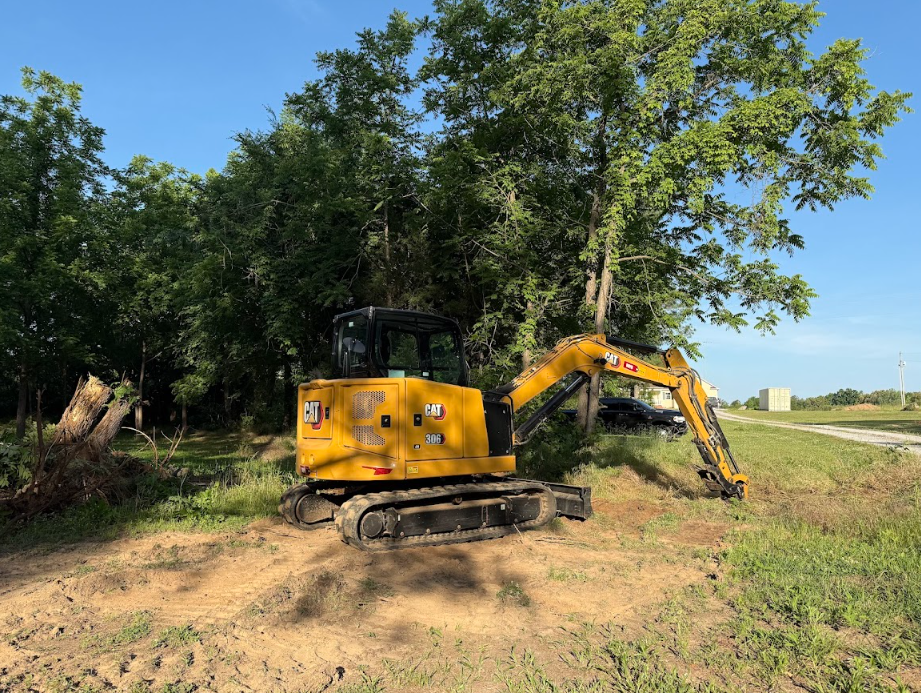
Clay core construction involves compacting clay in layers across the dam section, creating an impermeable barrier that prevents seepage through the earthwork. This differs from simply piling dirt—each lift gets compacted at specific moisture content to achieve proper density, and the core extends below original ground level to prevent water from flowing under the dam. Spillway structures get sized based on watershed calculations that predict peak runoff, and they're positioned to direct overflow away from the dam itself rather than over the top where erosion starts.
After construction, you'll notice the pond fills during rain events and maintains water levels during dry periods without leaking through the dam. Spillways activate during heavy storms, carrying overflow safely past the structure without washing out the dam face or eroding the outlet channel. These functions become visible during the first significant weather after installation and continue protecting the pond through seasonal flood and drought cycles that characterize Western Kentucky.
Pond depth varies by use—livestock watering ponds need shallow access areas and deeper reserves for drought, while recreational ponds benefit from varied depth profiles that support fish populations. Agricultural ponds designed for irrigation require capacity calculations based on crop water demands and expected rainfall deficits during growing season.
Answers to Frequent Pond Questions
Pond construction questions often focus on site suitability, design factors, and how installations hold up under local conditions.
What makes a property suitable for pond construction?
Adequate watershed to fill the pond, soil with enough clay content to hold water, and terrain that allows dam construction without excessive earthwork. Sites near Paducah typically have good clay soil, but watershed size and land slope determine whether a pond will maintain water year-round.
How do engineered spillways prevent pond failure?
Spillways sized for peak runoff calculations carry overflow safely past the dam during flood events. They prevent water from topping the dam and eroding the downstream face, which is how most pond failures start during Tennessee River flood cycles.
What depth should ponds reach for different uses?
Livestock ponds typically range from eight to twelve feet deep with shallow edges for animal access. Recreational ponds benefit from deeper sections—twelve to fifteen feet—that stratify for fish habitat and provide drought reserves. Agricultural irrigation ponds get sized based on water volume requirements rather than specific depths.
Why does clay core construction matter in pond dams?
Compacted clay cores create watertight barriers that prevent seepage through the dam structure. Without proper core construction, water finds paths through the earthwork, eroding channels that eventually cause dam failure. The Kentucky Lake region's clay soil works well for cores when compacted correctly.
How long does pond construction take?
Duration depends on pond size and site conditions—small livestock ponds might complete in three to five days, while larger recreational or irrigation ponds require one to two weeks. Weather affects clay work since proper compaction requires specific moisture content in the soil.
Black Line Excavation brings experience with agricultural and recreational pond projects across the region, operating with equipment designed for earthwork precision. Call (270) 816-0206 for a free quote and site assessment to discuss pond design that matches your property's watershed and intended use.