Structures Removed Without Environmental Violations
Demolition in Paducah for residential teardowns, commercial removal, and agricultural building clearing
Older structures across the Jackson Purchase region often contain asbestos in siding, insulation, or floor tiles, which changes how demolition must proceed to avoid environmental violations and health risks. Black Line Excavation screens buildings before demolition starts, handles required compliance procedures, and manages disposal according to regulations that vary based on what materials the structure contains. Licensed operation means understanding which materials trigger special handling and how to document compliance for inspectors.
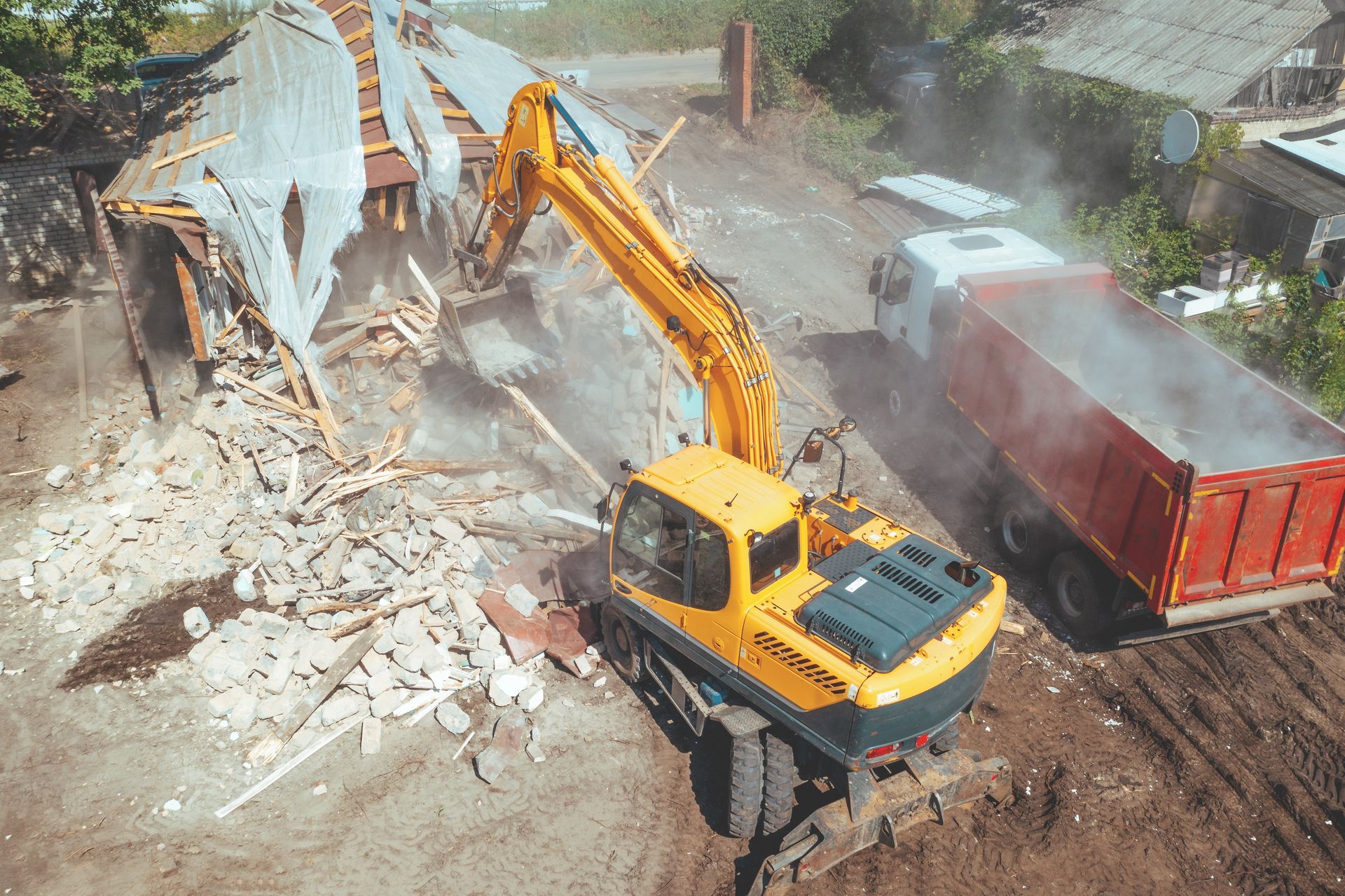
Demolition involves environmental pre-screening to identify hazardous materials, systematic structure removal that separates recyclable materials from waste, and proper disposal at facilities licensed to accept specific debris types. Asbestos-containing materials require notification to environmental agencies before removal, and certain demolition debris can't go to standard landfills. The work also includes site cleanup and debris hauling, leaving cleared ground ready for the next phase of development.
Arrange an on-site evaluation to assess structure conditions and identify compliance requirements before demolition begins.
Why Environmental Compliance Prevents Costly Delays
Environmental pre-screening identifies asbestos, lead paint, underground fuel tanks, and other regulated materials before equipment touches the building. This prevents mid-project shutdowns when inspectors discover undisclosed hazards, and it allows proper budgeting for specialized disposal costs. Notification requirements vary—some materials need advance filing with state environmental agencies, while others just require disposal at specific facilities with documentation.
After demolition completes, you'll see cleared ground with debris removed and no violations pending from improper material handling. The site gets graded to rough level unless other specifications apply, and documentation shows where materials went for disposal. This matters for property transactions, environmental audits, and future development permits that require proof of compliant demolition.
Black Line Excavation includes hauling and disposal in demolition work, separating materials that can be recycled from those requiring landfill placement. Agricultural buildings often contain treated lumber, metal roofing, and concrete foundations that each follow different disposal rules, and residential demolition generates different waste streams than commercial structures.
Questions Before Demolition Projects
Property owners typically ask about compliance procedures, timeline factors, and what happens to debris after removal.
What triggers environmental compliance requirements during demolition?
Asbestos-containing materials in structures built before 1980 require testing and notification before demolition. Underground storage tanks, lead paint on large structures, and certain treated lumber products also trigger specific handling procedures that differ from standard demolition.
How long does demolition take for typical residential structures?
A single-family home demolition usually completes in one to two days once environmental screening finishes, though larger buildings or those with basements require more time. Weather doesn't affect demolition as much as it impacts excavation, but disposal facility hours can influence project scheduling.
What happens to materials after a building comes down?
Metals get separated for recycling, clean concrete and masonry can go to aggregate recycling facilities, and general debris goes to construction landfills. Asbestos-containing materials require disposal at specially licensed facilities with documentation tracking each load.
How does demolition work differ for agricultural buildings in Paducah?
Farm structures often sit on remote properties without utility disconnects readily available, and they may contain chemicals, fuel residues, or livestock waste that affect disposal procedures. The work accounts for access limitations and ensures environmental compliance specific to agricultural debris.
Why does pre-screening matter before demolition starts?
Identifying regulated materials before demolition begins prevents work stoppages, surprise costs, and violations that delay future development. Pre-screening also allows accurate project estimates since disposal costs vary significantly between standard debris and hazardous materials.
For demolition projects that include environmental screening and compliant disposal, Black Line Excavation provides free quotes and handles licensing requirements. Call (270) 816-0206 to discuss structure details and schedule a pre-demolition assessment.